
Rare Disease Causes We Champion
Facet Life Sciences was built on the belief that the rarity or complexity of a disease should never determine the urgency of its treatment. We bring precision, speed, and compassion to drug development for conditions that have been overlooked for too long — and we show up for the families and foundations who are doing the same.
Why Rare Disease Progress Matters

Behind every one of those diseases is a family who deserves answers, options, and hope.
At Facet Life Sciences, we are proud to stand alongside the foundations and families that refuse to accept “impossible” as an answer — not just as advocates, but as partners who bring every tool, connection, and ounce of expertise we have to the fight against rare diseases.
Supporting these causes is not a corporate initiative. It is a reflection of who we are.
Fighting for the Patients Who Can’t Wait
Being committed to rare disease communities means being there for the long term, through setbacks, pivots, and ultimately, breakthroughs.
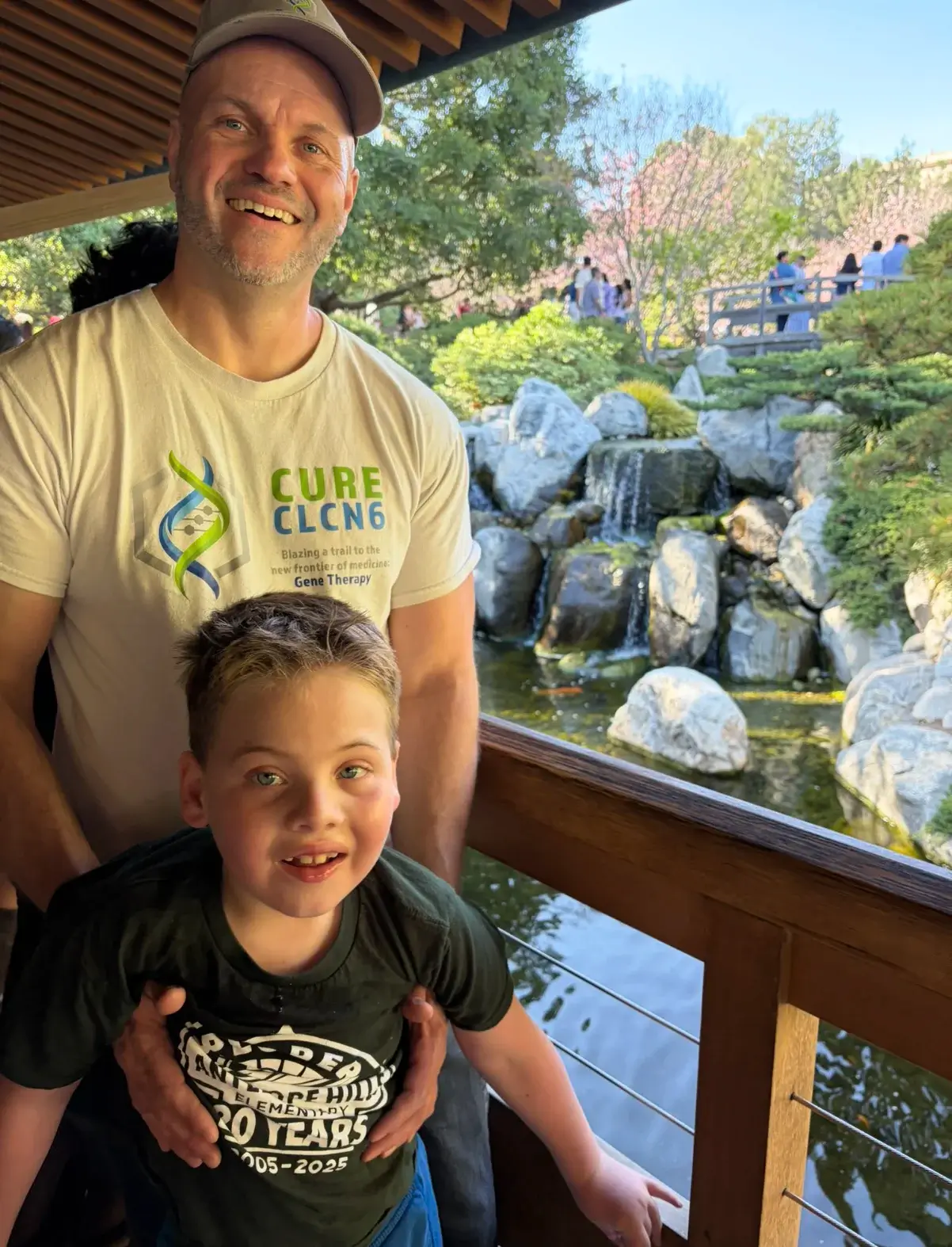
Cure CLCN6
Paxton Purdy was diagnosed with a mutation on the CLCN6 gene in January 2024 — a condition linked to severe early-onset neurodegeneration reported in only a handful of children worldwide. His parents founded Cure CLCN6 to raise awareness, support affected families, and fund research into potential therapeutics.
An experimental gene therapy is currently in development at UMass Chan Medical School.
Saving Sasha
At six and a half, Sasha was diagnosed with a splice site mutation of SLC6A1 — a condition so rare it has no name. Hundreds of absence seizures a day had already stolen the few words she had learned. Her parents refused to accept that as the end of the story.
Via Saving Sasha, scientists in Australia and the United States are now developing the world’s first personalized antisense oligonucleotide therapy targeting a splice-site mutation causing genetic epilepsy.

To Cure a Rose Foundation
Rose McPherson was diagnosed with HNRNPH2, an ultra-rare genetic disease that robbed her of speech and made everyday connections a struggle. Her father, Casey, refused to accept that the healthcare system had nothing to offer — and built To Cure a Rose Foundation (TCAR) to change that.
TCAR is developing genetic treatments faster and more sustainably than traditional pipelines allow — starting with Rose, but designed to help millions of children with rare diseases beyond her.
References
[1] Centers for Disease Control and Prevention. Rare Disease Day. Available at: cdc.gov/rare-disease. Accessed 2024.
[2] U.S. Food and Drug Administration. Rare Diseases at FDA. Available at: fda.gov/patients/rare-diseases-fda. Accessed 2024.
gET sOCIAL